
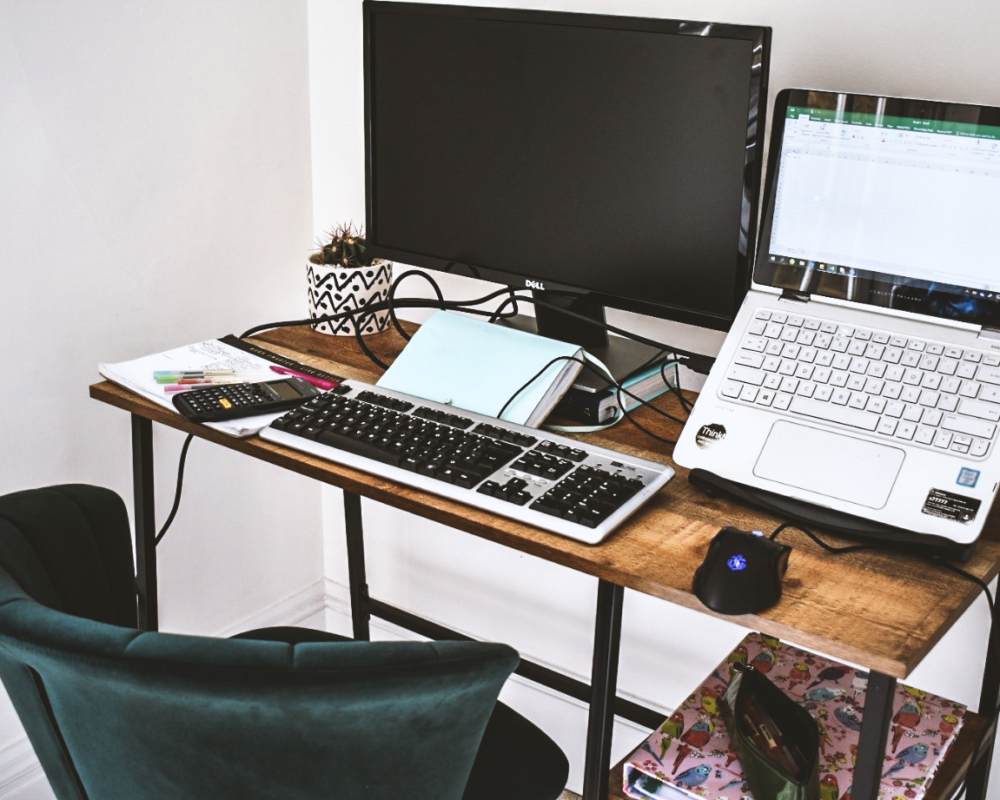
It’s been 3 weeks since Boris Johnson and government authorities said that the UK would be placed in a lockdown. Three weeks before that, I had been self-isolating with my partner at his place due to my office having an employee tested positive for coronavirus. At first, it seemed like a dream come true; I’d be seeing Ryan every day, we’d be cooking lunch together and no more commuting for a while. Recently, I’ve found myself to be in a position where I can’t focus on my work due to the 5-6 conference calls a day, I hate not having another screen to display my work, I’m fed up of sitting on the sofa, etc.
Most companies have reacted to the government’s advice by writing to workers that they must work from home indefinitely to stop the spread of coronavirus, offices have closed, some employees have been furloughed due to the lack of demand. It is a period where there will be redundancies, individuals stuck at home not working, office workers trying to do their client-facing job over video conferencing tools such as Zoom and Skype for Business. I wanted to create this post purely to help individuals find their space whilst they are quarantining with loved ones, children and flatmates. Space doesn’t just have to be having a separate room that you call the “office”. It can mean so much more…
Doing an office job full-time, blogging or just wanting to have your own space in your home has never been easier with this step-by-step guide:
1. What does “space” actually mean to me?
Space is defined as “a continuous area or expanse which is free, available, or unoccupied” according to Google. However, it can also mean “the freedom to live, think, and develop in a way that suits one.”
Before thinking about where you are going to make your space and call this part of your home “mine”. What does it mean for you?
For me, space is:
- A non-judgemental place that I can always go back to
- Somewhere I can be alone and feel comfortable
- Allowing someone else to have time to themselves
- Taking a break from expectations or other people’s thoughts and opinions
- Rest to relax thoughts and just enjoy inaction
- An area I can grow mentally and physically
Once you have a couple of definitions for what space is personally to you, it’ll form as a basis for what you want to create and the main purpose of finding this space.
2. Select the right place
Having a place where I could feel alone, be comfortable, get things done but calm my thoughts was the priority. For you, it could just be a place for meditating or an area that allows you to focus on yourself.
Whilst a lot of blog posts recommend you to have your own room for an office, I don’t think this is good advice to a lot of Londoners. Space is valuable and expensive. A lot of people don’t have this and could instead utilise other parts of their home and have the same benefits.
Here are some alternative parts of the home that could become your “space” area:
- A corner of the living room
- Kitchen table/breakfast bar area if you have an open plan kitchen area
- Dining room
- Staircase landings / upstairs landing
- Converted garage
- Summer house in the back garden
- The other side of your bedroom
- Basement
- Attic
I chose to use the upper staircase landing as my area. It originally would be used for drying laundry and provides access to the balcony but was a box-shaped space and had enough room to fit a desk, chair and not feel claustrophobic.
Some other factors which might help you decide where a good space is:
- Being far away from a TV
- No-where near the fridge or snacks!
- A part of your home which has no objects or purpose
- Somewhere with a lot of natural light
- Far away from other household members
- Near a plug socket and electric switch
- Has a window nearby
- Somewhere that allows space for a table or desk
- Appropriate lighting
- Do you still have WIFI and connectivity access?
- Low levels of noise
- Discussing with your household if you could share any spaces they currently own
3. Make this space yours and prepare for decorating
Before you can get started on the designing and decorating elements, make sure you inform your household that this space will now be yours. Not only does this create transparency and breed respect for your physical boundaries, if anyone for whatever reason feels as if you are encroaching on their space, but this would also be the time for them to communicate this to you.
Being cooped in all together can cause tensions, strains, stress, and arguments. By speaking up and claiming your space, it saves conflict in the long run.
Secondly, check what you need to do before you can start working/being yourself. Do you need to clear items to make more space for your desk and chair?
Maybe you need to move furniture around or renovate an area?
For me, I had to move my laundry aerials and put away laundry clothes! After clearing, I highly recommend hoovering and wiping down any surfaces to give that nice, fresh feeling.
Third and finally, measure and scale up your space. This will enable you to work out what desks you can buy and if you have enough space for chairs, a monitor, laptops, books or shelves.
Ryan and I measured the width of the walls to ensure we could rule out which IKEA desks would be a tight squeeze.
4. Buy the perfect desk or table
Depending on what type of job you have and your preferences on comfort and function, I believe having a desk is the most important item for any office space.
There are a million potential desks and tables you can use to write on, rest your computer/laptop or tech gadgets or perform your office job.
In my opinion, having a desk which was the right height and had some form of storage space and was under £200 was vital. The standard height for desks is usually 75cm and the prices for desks can massively vary.
Retailers such as Dunelm, IKEA, Ebay and Wayfair had a lot of good choices. Pictured below are my top 6 favourite desks:
 Photo credit: IKEA
 |
 Photo credit: Ebay
 |
 Photo credit: Wayfair
 |
 Photo credit: IKEA
 |
 Photo credit: Dunelm
 |
 Photo credit: Dunelm
 |
5. Buy a funky chair (unless you want a standing desk)!
Having a comfortable, stylish and adjustable chair does not need to break the bank or your back. It doesn’t need to match the desk style either and I’d say the best work from home spaces I’ve seen on Pinterest and Instagram have been spaces that poke fun at following different interior styles!
I love Velvet as a texture. It’s smooth to touch, it’s super comfortable to sit on and doesn’t make my back ache if I’ve been sitting on it for hours. What is your favourite texture to sit on? Do you like something soft and spongy or do you want something stable and solid?
Colour is another element to take into consideration when choosing a chair. I love all shades of green. Mint and turquoise have the calming effects but a deep rich teal oozes sophistication and professionalism. What colour can best articulate your personality or what you intend to use your space for?
If you experience persistent back and shoulder pain, I highly recommend you purchase an ergogenic chair to support the back.
I’ve rounded up my top 5 chairs to accompany a home desk:
 Photo credit: IKEA
 |
 Photo credit: Dunelm
 |
 Photo credit: Wayfair
 |
 Photo credit: IKEA
 |
 Photo credit: IKEA
 |
6. Get a monitor!

If you’re someone like me who constantly has to work between 10 different excel documents, 3-word documents, and 5 different Google tabs, I’d highly invest in a monitor to expand your screen displays.
The benefits include: less neck and shoulder pain, eyesight not deteriorating as much due to working on a larger screen, increased productivity by being able to see more at the same time and replicating the office vibes!
Retailers including Dell, HP, and PCWorld do high-quality cheap monitors and I managed to get my screen monitor for £94!
https://www.dell.com/en-uk/shop/dell-24-monitor-se2416h/apd/210-afzi/monitors-monitor-accessories
7. Jazz up your desk space with organisational pads, notebooks, and pens!
Desk space is personal space. It’s your chance to put whatever you want, your most valued items for efficiency and personal reminders to get you through the day. It can be a foundation for providing tools that help you maximise effort, inspire ideas and allow you to reach closer to getting tasks and goals done.
I struggle with sticking to one stationary item. I love stationery. I’m always looking to find the best planner or desk pad that works with my job and doesn’t tie me down. Sadly, I’ve not found anything I can stick to but that doesn’t mean I never make use of what I’m suggesting! I go through different periods of busyness and have different items that facilitate my organisational management.
Currently, I use:
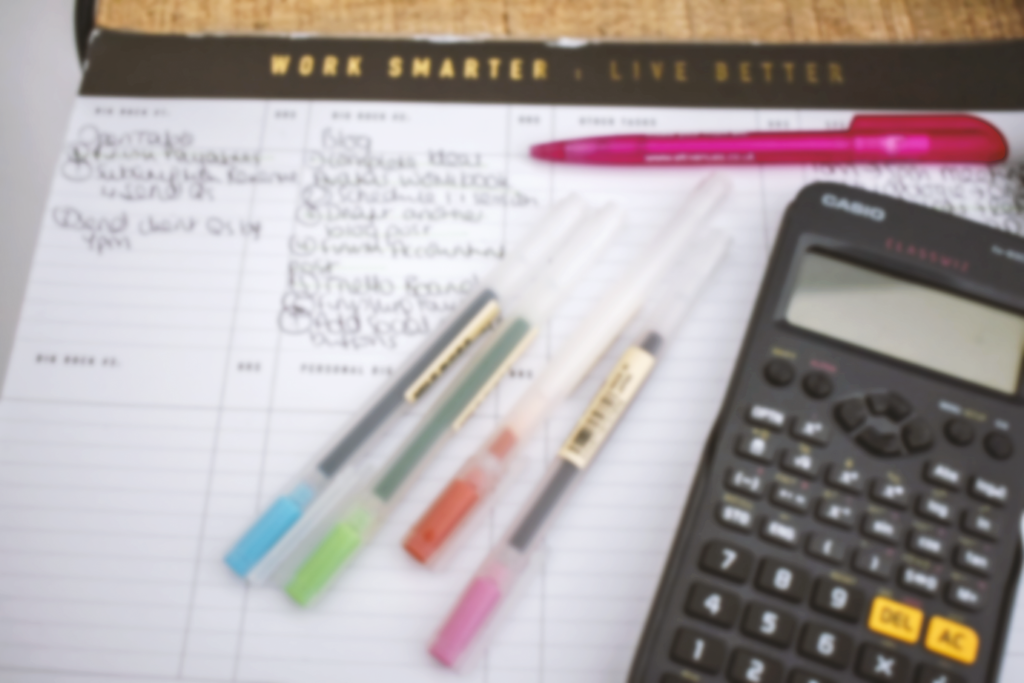
Weekly planner – I specifically love my weekly planner from KikkiK which breaks down my tasks into “Big Rocks” – I’d put the x2 clients I’m currently working on, my blog and a personal big rock such as health and well-being.
This desk pad planner is stylish, sleek and doesn’t tie me down to dates hence why I use it when I have a lot of calls I need to make, meetings and different stuff going on in my life which I have a hundred tasks to do for each!
Notebook – I have a Mint Green notebook from HEMA which was gifted to me a few birthdays ago and is a reliable place for me to make minutes on any meetings I’ve had, create personal to-do lists and just keep track of any notes from my career or blogging.
Muji Pens – These pens are iconic, cheap and loved by many. In a wide array of colours, these pens help me add extra detail to my to-do lists, revise/study with and add colour to my wooden desk!
8. Put frames, photos and mood boards up
One thing I have not completed on this list is putting photos up of Ryan and I, creating mood-boards to look at every day to inspire action from myself, gratitude and wash away any depression storms I am feeling.
I bought a cheap frame from IKEA and am planning to create a collage of photos, inspirational quotes and examples of progress I have made. This is probably going to be an ongoing task because I want my mood board to show my journey and remind me that it is OK to have days where you do not go further and then other days where you are speeding ahead into unknown territory and it’s great.
I hope you found this step-by-step guide helpful and useful in helping you gain more clarity of space that feels like your own.
Please share this article with anyone who you’d think benefit from having a work office at home, pin anything for inspiration and subscribe to my blog if you’d like to read more work from home DIY articles!
Readers, how are you building your work from home office? Drop a comment in the box below.





I don’t have my own WFH space at the moment but as soon as I get my own place, I’ll definitely be using some of your tips. I agree that getting the right desk and chair is essential and I love that Wayfair desk – it’s so cute! I’m also a stationery freak so I loved reading what you’re using and that weekly planner looks great. Thanks for sharing your really helpful post
I love stationery sooo much, so please expect some more posts centred about pens or planners! Thank you for your kind words Sarah! You could try to make a little space in your bedroom ( like a corner of the room which is dedicated to just working). IKEA do really good desks which attach to walls as well that can fold down 🙂
I love this so much! I totally agree with all of your points, especially about buying a unique chair to go with the desk. That’s what I did and I love it too!
I think having multiple interior styles just jazzes up a space very easily and having a comfortable chair is something which I knew was a priority for me!
Oh man, I know that feeling of having very little space and a lot of work to do. It is important that we have the proper space and atmosphere to do work. We shouldn’t be trapped in one place for the whole day. We need somewhere where we can focus and think. I’ve recommended sit-stand tables. You need to stretch your legs appropriately. Having the right chair with proper ergonomics is important too. Thanks for sharing all of these great tips!
Nancy ♥ exquisitely.me
Eurgh yeah I don’t miss the days of working in a timy small audit room… Agreed – I never thought about sit/stand tables. No worries Nancy, thank you for checking this post out !
I can’t work from home but I have made my own space for working on my blog. It’s got lots of light coming in & some pretty photos on the wall with quotes to inspire me. I love that pink chair you’ve linked. Thank you for sharing.
That’s so good you’ve created a designated area for blogging! Where did you get the quotes from – is this something you made or purchased wall art? Thank you! Dunelm and Wayfair are my fave affordable places to get cute and really high-quality furniture from for the fraction of the price Habitat or West Elm would sell for. I’m glad you enjoyed reading this post.